Why Your PMS Might Not Actually Be PMS
For decades, women have been handed the same four letters when something feels off. New research suggests we've been undertreating something far more specific.

There is a version of the story you already know. A week before your period, you become someone you don't recognize. You snap at your partner. You cry on the train. You eat in a way you swore you wouldn't. You blame yourself, then your hormones, then yourself again.
For decades, the medical answer has been four letters: PMS. A catch-all diagnosis that, depending on who you ask, affects either 20% or 90% of women. The truth is messier, and far more interesting.
"If your two worst weeks of the month feel like a different person is living in your body, that is data — not drama."
Premenstrual Dysphoric Disorder — PMDD — affects roughly one in twenty menstruating women, and it is not a more dramatic version of PMS. It is a distinct neurobiological response to the normal hormonal changes of a cycle. The hormones aren't unusual. The brain's reaction to them is.
What makes the distinction matter is treatment. PMS responds, sometimes, to lifestyle and supplements. PMDD often does not. Women who spend years cycling through magnesium, evening primrose oil and meditation apps are not failing — they are being treated for the wrong thing.
Written By
Editor-in-Chief
Former health editor at three national magazines. Writes about hormones, fertility and the cultural silence around women's bodies.
Related Reading
All articles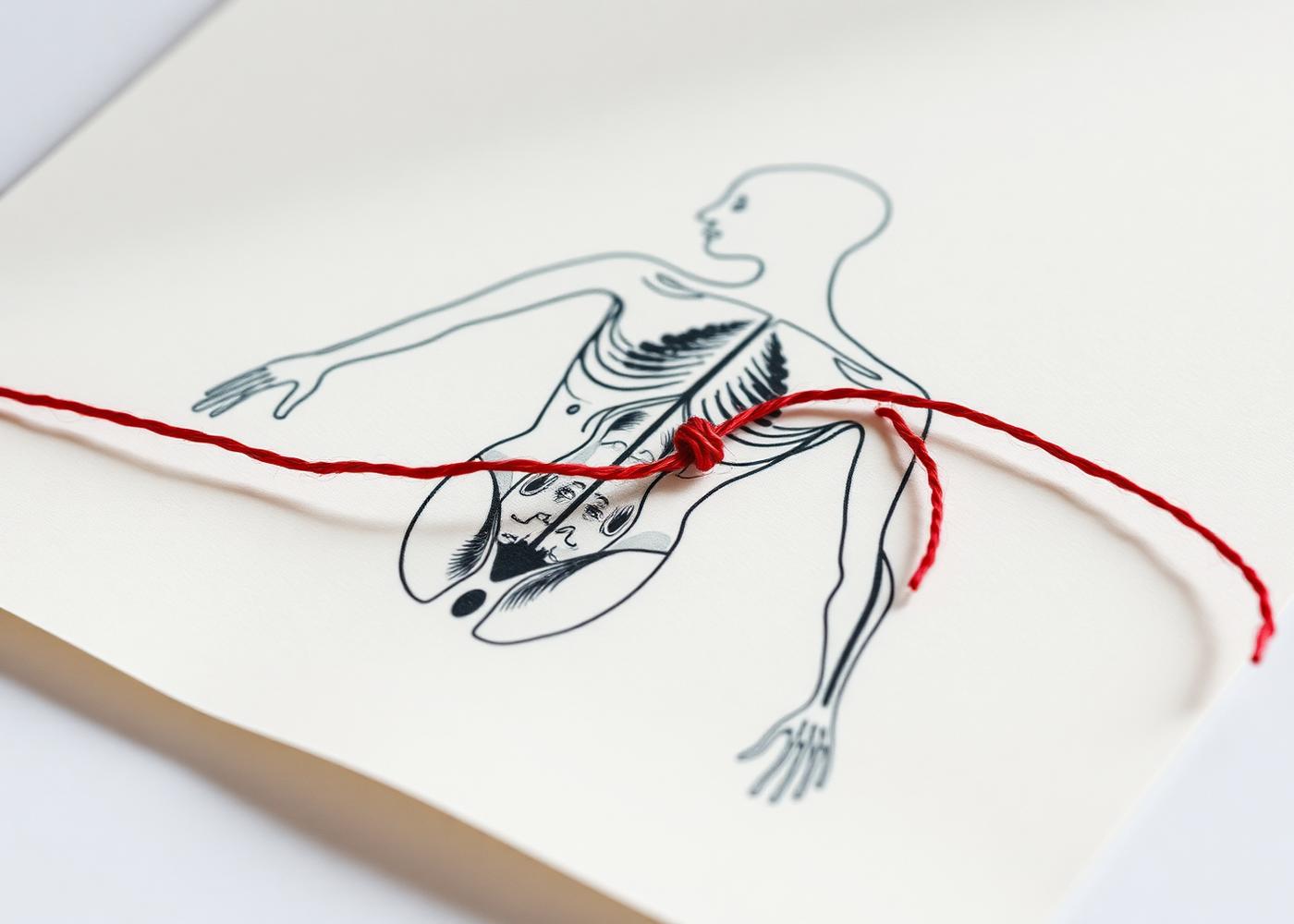
Period Pain Is Common. It Is Not Normal.
On endometriosis, the seven-year diagnostic delay, and the cultural shrug we've inherited.
The Fertility Timeline Nobody Talks About
Ovarian reserve, AMH, and the data your doctor probably hasn't shown you.

Is It Perimenopause Or Burnout?
The exhaustion is real. The question is what's driving it.